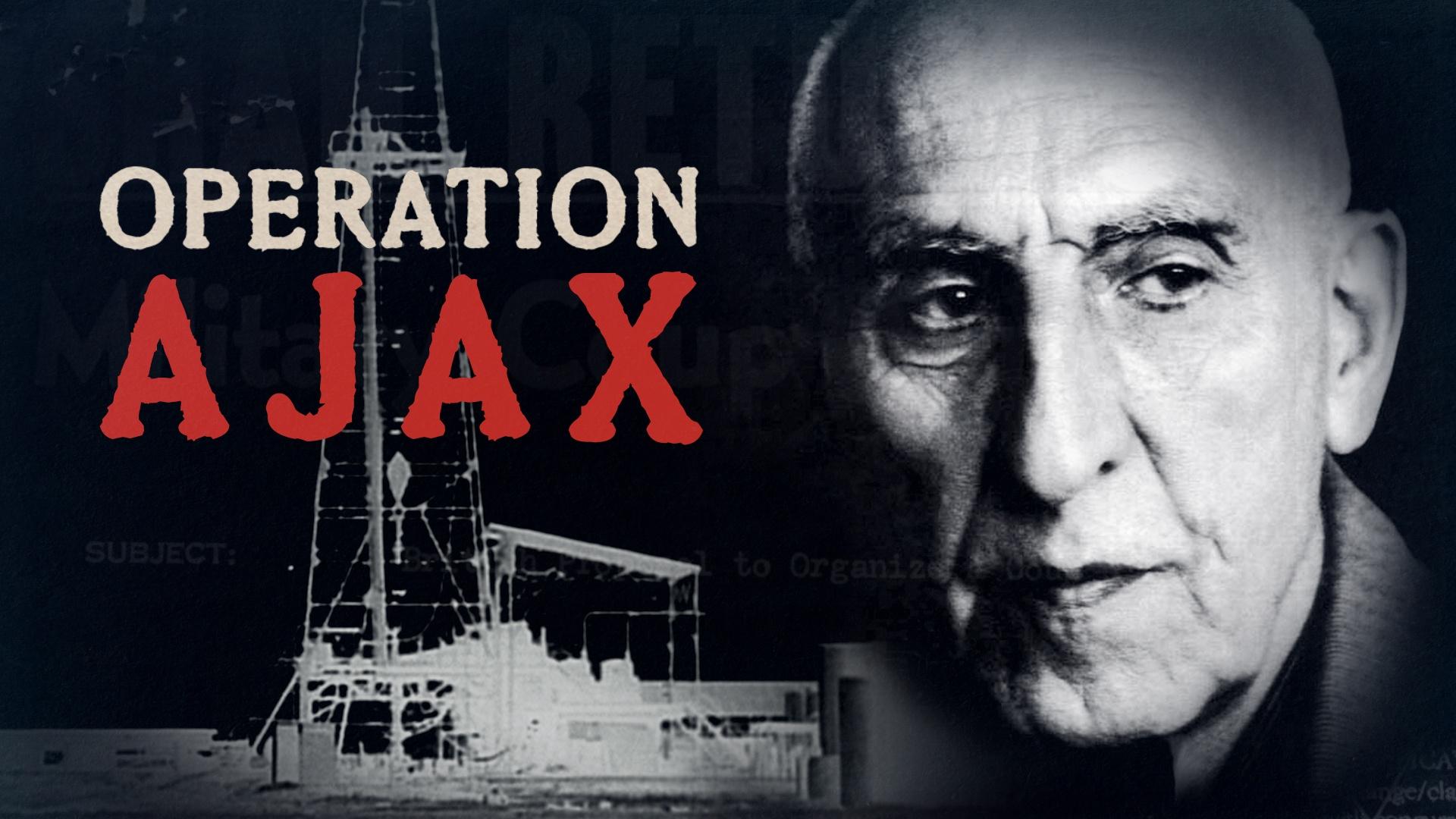
Operation Ajax

https://www.facebook.com/reel/747917214920082
The narrator is referring to Operation Ajax, a real and well-documented event.
- In 1953, the U.S. (CIA) and UK (MI6) helped overthrow Iran’s democratically elected prime minister, Mohammad Mossadegh
- The main reason: Mossadegh nationalized Iran’s oil, which had been controlled by British interests
- After the coup, the Shah (Mohammad Reza Pahlavi) was strengthened and ruled with authoritarian power
This part of her claim is factually correct and widely accepted by historians. The U.S. government itself later acknowledged its role.
1. “Iranians were duped and robbed by Britain and the US”
Mostly true (with nuance):
- Britain had major control over Iranian oil before nationalization
- The coup was partly motivated by protecting Western oil and geopolitical interests
- “Duped” is opinionated wording, but the intervention itself is factual
2. “They were betrayed by their own Iranian officials”
Also true (in general):
- The coup involved internal Iranian actors, including politicians, military officers, and royalists
- It wasn’t purely foreign—there was domestic collaboration
3. “Iranians die today because of corrupt politicians on all sides”
Partly opinion, partly grounded in reality:
- Iran’s current government (post-1979 revolution) has been criticized for repression
- Regional tensions and sanctions have contributed to suffering
- But this is a broad political statement, not a precise factual claim
Where it becomes opinion / oversimplified
“War in the Middle East has never liberated anyone”
This is not strictly factual—it’s a sweeping opinion.
- Some would argue:
- The overthrow of ISIS in parts of Iraq/Syria improved conditions for some populations
- Others argue wars caused more instability overall
- So this is debatable, not objectively true or false
“Wars mainly enrich weapons contractors”
- There is evidence that defense companies profit from war
- But saying that’s the primary purpose of wars is interpretation, not established fact
Final verdict
Historically grounded core:
- Operation Ajax happened
- US/UK involvement is real
- Oil and geopolitics were major factors
Mixed / opinion-based parts:
- Claims about all wars never liberating anyone
- Motivations like “only enriching contractors”
- Broad political conclusions
Bottom line
The video is based on a real historical event and gets the core history right, but it blends facts with strong personal/political opinions and generalizations.
How Operation Ajax still affects Iran–U.S. tensions today
The 1953 coup (Operation Ajax) isn’t just a history lesson—it’s one of the main reasons Iran deeply distrusts the United States today. Here’s how the chain reaction works:
1. The coup → resentment builds (1953–1979)
After the U.S. and UK helped reinstall the Shah (Mohammad Reza Pahlavi):
- Iran became a close U.S. ally
- But inside Iran:
- Political opposition was suppressed
- The secret police (SAVAK) became notorious
- Many Iranians saw the Shah as a puppet of the West
Over time, this created deep anger toward both the Shah and the U.S.
2. That anger explodes → 1979 Revolution
In Iranian Revolution:
- The Shah was overthrown
- Ruhollah Khomeini established an Islamic Republic
- The new regime was strongly anti-American
Why?
Many revolutionaries explicitly cited 1953 as proof the U.S. interferes in Iran
3. 🇺🇸 Hostage crisis → relationship collapses
Soon after the revolution:
- Iranian students seized the U.S. Embassy
- 52 Americans were held hostage for 444 days
- This is known as the Iran hostage crisis
From this point on, Iran–U.S. relations became openly hostile
4. Decades of tension (1980s → today)
The distrust never really healed. Instead, it evolved into:
- Sanctions and economic pressure by the U.S.
- Iran supporting groups opposed to U.S. allies
- Ongoing disputes over nuclear programs
- Military standoffs in the Middle East
And both sides still use history to justify their actions
Why Operation Ajax still matters today
For many Americans:
- 1953 is a footnote in history
For many Iranians:
- It’s proof the U.S. can overthrow their government
That difference in perspective is huge.
So is the video’s implication correct?
Correct insight:
- Operation Ajax directly contributed to long-term distrust
- It helped set the stage for the 1979 revolution and today’s tensions
But incomplete:
- Today’s conflict is also shaped by:
- Iran’s own government decisions
- Regional politics
- Religion and ideology
- Other global powers
It’s not just 1953—but that event is a major root cause
Simple way to think about it
- 1953: “The U.S. helped overthrow our democracy” (Iranian view)
- 1979: “We will never let that happen again”
- Today: Mutual distrust locked in place